







Search Results for: Coffee Elevation Grading
Why Does Kenyan AA Coffee Have a Tomato Flavor? A Comprehensive Analysis of Producing Regions, Grading, and Brewing Key Points
Kenya AA coffee is renowned for its bright fruit acidity and distinctive tomato-like flavor, making it one of the most recognizable presences in specialty coffee. This article systematically analyzes the origins of Kenyan coffee's flavor, from growing conditions and historical context to the top ten producing regions, the official grading system, and the K72 washed processing method. The baristas at Front Street Coffee combine cupping and pour-over practice with Kenyan Asaliya beans to share specific parameters and brewing techniques, helping enthusiasts understand this "most acidic coffee's" clean mouthfeel and its layers reminiscent of smoked plum and cherry tomato—ideal for readers who want to delve deeper into Kenyan coffee. [more…]

A Complete Guide to Panamanian Specialty Coffee: Geisha Variety, Processing Methods, Estate Grading, and Pour-Over Parameters
Panama is a leading specialty coffee producer in Central America, renowned worldwide for Hacienda La Esmeralda's Geisha. From the perspective of Front Street Coffee, this article systematically reviews Panama's coffee-growing regions, the history and plot divisions of Hacienda La Esmeralda, and the brand grading logic behind Red Label and Green Label Geisha. It also provides a detailed introduction to Geisha coffee's flavor characteristics and processing methods, along with Front Street Coffee's recommended brewing parameters and three-stage extraction technique, helping coffee lovers gain a comprehensive understanding of the appeal of Panamanian specialty coffee. [more…]
Which Kenya coffee is the best? From regional grading to K72 washing, one article explains how to make Kenyan black coffee
Kenyan coffee is renowned for its bright, elevated fruit acidity and full, substantial berry mouthfeel, making it a highly distinctive presence in the world of specialty coffee. Drawing on Front Street Coffee's cupping experience, this article systematically reviews the historical development of Kenyan coffee, the terroir characteristics of its six major producing regions, its grading system and auction trade framework, and provides a detailed breakdown of the three-stage fermentation process of the K72 washed processing method. At the end, the brewing parameters and flavor description for Front Street's Kenya Athalia coffee beans are included, helping coffee enthusiasts gain a comprehensive understanding of this bean's origins and development, and master the correct approach to recreating Kenyan black coffee at home. [more…]
A Complete Guide to Kenyan AA Coffee Pour-Over Parameters: Growing Region History, Grading Standards, and Brewing Flavor Characteristics
Kenya coffee is renowned for its clean, crisp mouthfeel and bright fruit acidity, and is widely recognized in the specialty coffee world as the representative of acidity. From the perspective of Front Street Coffee, this article systematically reviews Kenya's growing conditions and historical context, introduces the ten major producing regions one by one, including Nyeri, Murang'a, and Kirinyaga, and explains in detail how Kenya's official bean grading system and the K72 washed processing method shape its flavor. Finally, using Front Street Kenya Asalia as an example, it provides the dripper selection, water temperature range, grind assessment, and three-stage pouring plan for hand-brewing light-roast beans, helping coffee enthusiasts consistently brew layers reminiscent of smoked plum, cherry tomato, and yellow sugar. [more…]
A Complete Guide to Honduras's Six Major Coffee Regions: Flavor Profiles, Grading System, and Origin Stories
Honduras is located in northern Central America. Although its coffee industry started relatively late, it has risen rapidly thanks to its excellent natural conditions and has become an important global producer of Arabica coffee. This article will systematically review Honduras's coffee development history, geographical advantages, and grading system, and introduce one by one the six major producing regions of Copán, Opalaca, Montecillos, Comayagua, Agalta, and El Paraíso. At the same time, it will also present Front Street Coffee's bean selection and brewing practices in Honduras, helping coffee lovers gain a comprehensive understanding of the unique charm of this Central American coffee newcomer. [more…]
Kenya AA TOP Pour-Over Details and Flavor Origins: A Complete Guide from Regional Grading to Front Street Coffee Brewing Parameters
Kenyan coffee has always been celebrated for its clean, translucent, and intensely juicy acidity, and AATOP is among the most sought-after grades. Drawing on the experience of Front Street baristas, this article systematically covers Kenya's growing terroir, historical context, ten major producing regions, official grading standards, and explains why its washed fermentation process creates the signature bright fruit acidity. Finally, using Front Street Kenya Asalia as an example, it provides drip filter choices, water temperature ranges, grind assessment, and a three-pour brewing scheme for light-roast pour-over, helping enthusiasts recreate at home a cup of Kenyan coffee with solid sweet-tart balance and a tea-like finish. [more…]

Overview of El Salvador's Six Major Specialty Coffee Regions: Bean Varieties, Flavor Characteristics, Grading Standards, and Brewing Notes from Representative Estates
Although El Salvador is a small country, it was once the fourth-largest coffee producer in the world. The civil war once left the industry in decline, and although it has gradually recovered today, production has struggled to return to its former peak. After recently cupping several Salvadoran coffees, Front Street found that regardless of which producing region they come from, a delicate and soft acidity along with a sweet, balanced mouthfeel are always common characteristics of the country's coffee. This article reviews the geographical and flavor differences of six specialty producing regions, explains the SHG and CS grading system based on altitude, and records the roasting, cupping, and brewing performance of the Bourbon from Chocolate Lover Estate and the Black Honey Pacamara from Posido Estate that Front Street acquired, for the reference of coffee enthusiasts. [more…]
Kenya AA Coffee Brewing Guide: From Origins and Cultivation to the K72 Process and Pour-Over Parameters
Kenyan coffee is renowned for its bright fruit acidity and full-bodied berry notes. This article systematically covers its full story: from its introduction and cultivation in the early 20th century, to the Scott Laboratories' selection and breeding of SL28 and SL34, the evolution of the auction and direct trade systems, to the terroir differences among the six major producing regions and the logic of bean size grading. It also explains in detail the three-cycle fermentation mechanism of the K72 washed processing method, and provides reproducible parameters using a V60 brewing recipe with 15 grams of coffee and 91°C water. Whether you want to understand the substantive difference between Kenyan AA and AB grades, or want to brew a cup of Kenyan coffee interweaving the sweetness of smoked plum, cherry tomato, and yellow sugar, you will find a complete reference in this article. [more…]
A Detailed Explanation of Jamaican Blue Mountain Coffee Bean Grading: A Full Analysis of the Standards from Blue Mountain to High Mountain to Select
The status of Blue Mountain coffee in the coffee world is almost universally known; even those who don't drink coffee often have heard the name. How exactly are Jamaican Blue Mountain coffees graded? From Blue Mountain to High Mountain to Prime, what are the elevation thresholds, screen size requirements, and defect rate standards for each grade? This article will guide you through a systematic understanding of Jamaica's coffee grading system, from the history of the producing region and the geographical conditions of the Blue Mountain range to the specific grade parameters set by the CIB, and will introduce the Jamaica Blue Mountain No. 1 coffee on Front Street Coffee's bean list, helping you gain a comprehensive understanding of the strict standards behind this world-class coffee. [more…]
A Complete Guide to Costa Rica's Coffee Regions: From History and Varieties to Seven Elevation-Based Grades
Why has Costa Rican coffee secured a place for itself on the global specialty coffee map? This article begins with the geography and history of its producing regions, tracing how the volcanic soil and climate conditions of this Central American country shape Arabica beans with bright acidity and balanced flavor. The article will also introduce the characteristics of major cultivated varieties such as Bourbon, Caturra, and Catuai, especially Caturra's performance in adaptability and productivity. Finally, we provide a detailed explanation of Costa Rica's unique coffee bean grading system—divided into seven grades including SHB, HB, and SH based entirely on coffee farm elevation—helping enthusiasts quickly understand the meaning of the abbreviations on bean bags and the quality they indicate. [more…]
Kenyan Coffee Flavor and Regions: A Complete Guide — From AA Grading to K72 Washing, Front Street Coffee Helps You Understand Specialty Kenya
Kenyan coffee is renowned for its bright, full-bodied fruit acidity and thick, juicy mouthfeel, making it a producer origin that cannot be overlooked on the global specialty coffee map. This article systematically sorts through the full picture of Kenyan coffee, from its historical evolution, variety selection and breeding, the terroir of its six major producing regions, the auction and direct trade systems, to green bean grading standards and the K72 washed processing method. At the same time, drawing on the cupping and brewing experience of FrontStreet Coffee, it introduces the origin information and brewing parameters of Kenyan Cherry Tomato coffee beans, helping coffee enthusiasts gain a more comprehensive understanding of the unique charm of this East African producing country. [more…]

A Detailed Guide to the Flavor Characteristics and Pour-Over Techniques of Panama Geisha Coffee: From Hacienda La Esmeralda Grading to Green Label Washed vs. Natural Comparison
Geisha coffee has become the most sought-after variety in the specialty coffee world in recent years, and Panama's Hacienda La Esmeralda is the key force that propelled this variety to legendary status. Starting from observations at Front Street Coffee's stores, this article traces Geisha's spread from the forests of Ethiopia to Panama, explains Panama's three core producing regions and Hacienda La Esmeralda's three major plots, and breaks down one by one the flavor positioning and grading logic of the three tiers: Red Label, Green Label, and Blue Label. At the same time, Front Street will also conduct a comparative brewing of the washed and natural versions of Green Label Geisha, providing specific V60 pour-over parameters and flavor descriptions to help coffee enthusiasts understand Geisha's charm more systematically. [more…]
An In-Depth Analysis of Kenyan Specialty Coffee: Flavors of Six Major Producing Regions from Thika to Nyeri, the Grading System, and the 72-Hour Washed Processing Method
Kenyan coffee is known for its bright fruit acidity and thick berry-like mouthfeel, and it is a representative of the high-acidity style in specialty coffee. This article systematically reviews Kenya's coffee-growing conditions, the altitude and variety characteristics of six major producing regions (Thika, Kirinyaga, the western side of Mount Kenya, Nyeri, Kiambu, and Murang'a), introduces the coffee auction and direct trade mechanisms, the background of varieties such as SL28 and SL34, the three-cycle fermentation process of the K72 washed processing method, the grading system based on bean size, and the flavor classification of AA-grade beans. At the end, using FrontStreet Coffee's Kenya Asalia as an example, it shares a medium-light roast profile, V60 brewing parameters, and flavor performance. [more…]
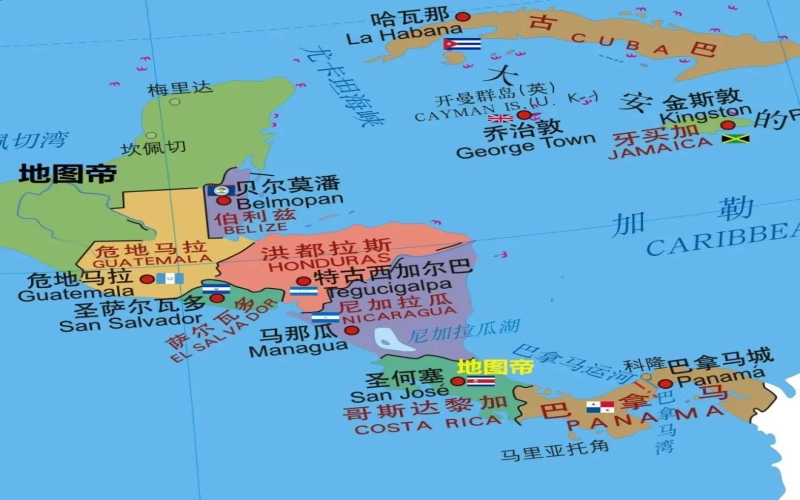
A Detailed Guide to the Characteristics of Honduran Coffee Regions and the Grading System: From Geographic Advantages to Altitude Grades
Honduras is the largest coffee producer in Central America and the fifth largest coffee-producing country in the world, maintaining high quality alongside high yields. This article will guide you through the history of Honduran coffee, its geographical conditions, the characteristics of its six major regions, and the grading standards based on altitude. From the introduction of coffee by Spanish merchants in the 18th century, to its recovery after being struck by hurricanes and leaf rust, Honduras—with its mountainous terrain, volcanic soil, and mild climate—has cultivated a delicate and balanced coffee flavor. Among these, the Opalaca region has performed impressively on the COE list in recent years and is worth the attention of coffee lovers. Front Street Coffee will also recommend Honduran coffees worth trying. [more…]
The Historical Origins of Starbucks Kenya Coffee and a Detailed Guide to Brewing Kenya AA Coffee Beans
For those new to Kenyan coffee, the distinctive acidity reminiscent of cherry tomatoes and prunes is often unforgettable from the very first sip. Starbucks once launched a classic Kenya coffee whose elephant logo on the packaging has long become iconic. From the perspective of Front Street Coffee, this article systematically reviews the growing conditions, variety characteristics, K72 washed processing method, and green bean grading system of Kenyan coffee, and shares in detail the roasting parameters and brewing suggestions for two Kenyan coffee beans available at Front Street—Asalia AA and Sachini Estate PB—taking you through the full charm of Kenyan coffee. [more…]
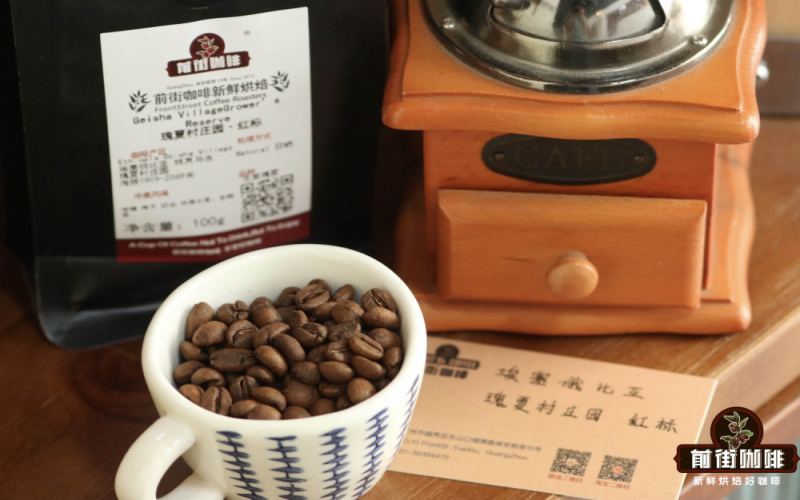
Exploring Ethiopia's Gesha Village Estate: From Plot Terroir to Gold Label Grading and Brewing Guide
Located in the Bench Maji region of Ethiopia, Gesha Village Coffee Estate has in recent years become a name impossible to overlook in the specialty coffee world. The Ethiopian Gesha coffees of various grades produced by this estate appear frequently in world-class coffee competitions, bringing this coffee kingdom of Ethiopia back into the spotlight. From the entrepreneurial story of Adam and Rachel, to the variety and flavor differences among the eight blocks, and to the strict grading systems such as Gold Label and Red Label, Gesha Village interprets its pursuit of quality with近乎苛刻 standards. This article will also present the cupping performance and brewing parameters of Front Street Coffee's new-season Gold Label Gesha for coffee enthusiasts' reference. [more…]
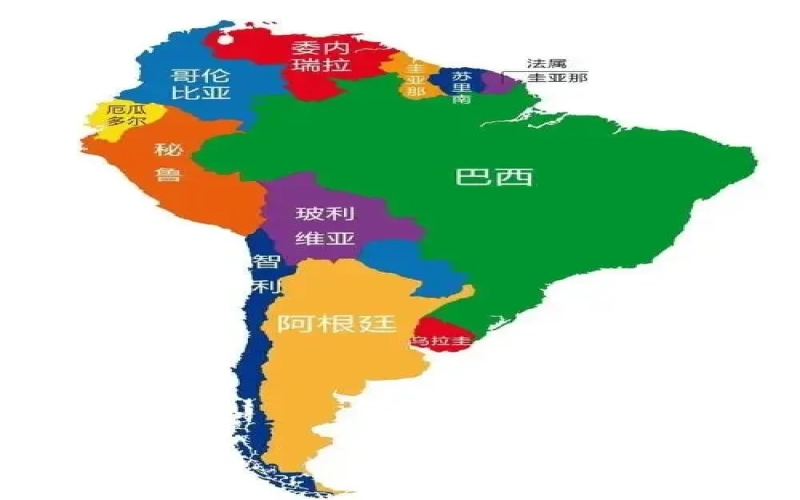
The Flavor Characteristics of Brazilian Coffee and Its Complex Grading System: From Growing Environment to NY2 SC17/18 SS FC
Brazil boasts the largest landmass in South America along with exceptional natural conditions, making it the world's largest coffee exporter and accounting for roughly one-third of the international market. Despite its staggering output, Brazilian coffee is not known for its refinement, and is therefore often used in blends. This article will walk you through Brazil's coffee-growing environment, the distribution of its major producing regions, and a detailed explanation of its unique and complex grading system, including the meaning of the commonly seen "NY2 SC17/18 SS FC" designation. Finally, we'll introduce a beginner-friendly selection from Front Street Coffee—the Cerrado Red Bourbon coffee beans—so you can experience the distinctive charm of Brazilian coffee. [more…]
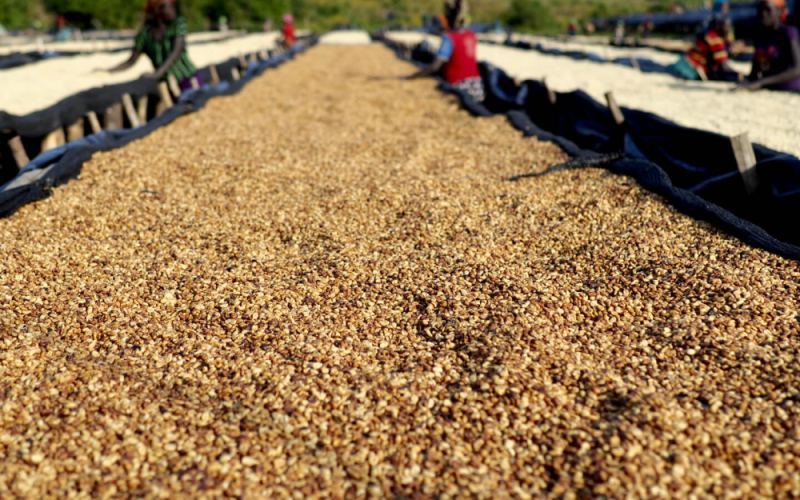
Ethiopia Gesha Village Estate Gold Label Natural Geisha: A Full Analysis of Plot Varieties, Production Grading, and Flavor & Brewing
Located in the Bench Maji region of Ethiopia, Gesha Village Coffee Estate has risen to prominence in the specialty coffee world in recent years, with its various grades of Geisha beans frequently appearing on the stage of world-class coffee competitions. The estate divides its growing areas into eight blocks, planted respectively with varieties such as Gori Gesha, Illubabor, and Gesha 1931, and establishes a five-tier system based on cupping quality: Auction, Gold, Red, Green, and Chaka. This article will guide you through the geographical environment of Gesha Village Coffee Estate, the varieties and flavor characteristics of each block, analyze the definition and value of the Gold tier, and use Front Street Coffee's this season's sun-dried Gold selection from the Oma block as an example to share the varietal background, brewing parameters, and cupping performance of Gesha 1931. [more…]
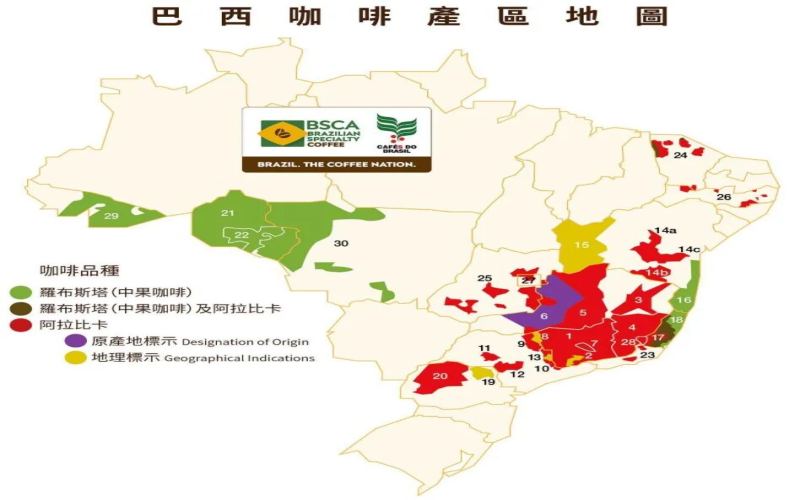
Main Coffee-Producing Regions in Brazil | What Are the Green Coffee Bean Grading Standards in Brazil? How Do You Describe the Flavor of Brazilian Coffee Beans?
What are the characteristics of Brazilian coffee, given that Brazil is the world's largest coffee-producing country? As a South American coffee, Brazilian beans have a relatively balanced flavor, low acidity, and a smooth mouthfeel, making them very suitable for use in espresso blends. Therefore, Front Street Coffee's basic blend, specialty blend, and commercial blend all use Brazilian beans as their base beans. Brazilian coffee [more…]
Jamaica Blue Mountain Coffee Wallenford Estate Origin Analysis: Growing Conditions, Grade Classification, and Variety Overview
Jamaican Blue Mountain Coffee, as a representative of the world's top specialty coffee, has always attracted much attention for its cultivation conditions, variety classification, and grading standards in the Wallenford Estate production area. Starting from the unique flavor of Blue Mountain Coffee, this article provides a detailed overview of the production area divisions and grading systems of Jamaica's three major coffee varieties—Blue Mountain Coffee, High Mountain Coffee, and Jamaican Coffee—analyzes the definition of Blue Mountain Coffee under CIB standards at elevations above 666 meters, and introduces Front Street Coffee Blue Mountain's low caffeine content, flavor characteristics, and medium-roast recommendation. At the same time, it examines the relationship between the scarcity of Blue Mountain Coffee production and its market price, helping coffee enthusiasts gain a comprehensive understanding of the true nature of this legendary coffee. [more…]